Table Of Content
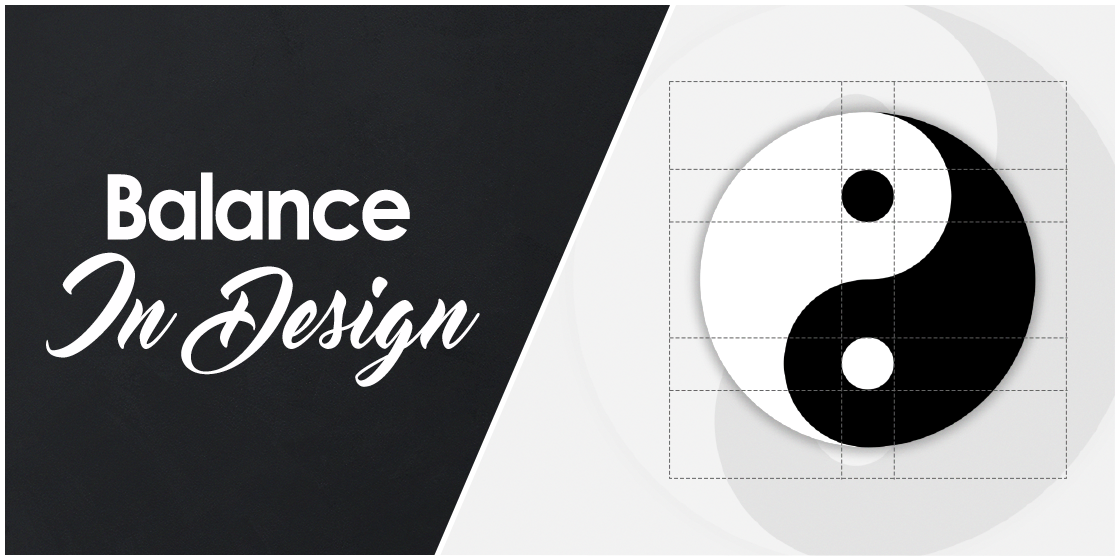
Of course, in an unbalanced design, no such equilibrium exists. While they may uplift your spirits, many designers believe that don't invite the sort of headspace you need to be in to truly be most creative. Choosing colors to go together in a room is a fine art, so it's sometimes worth starting from a point of what definitely won't work. Designers have made careers out of knowing which color combinations to avoid, and sometimes it's a very subtle nuance that can tip a whole scheme out of balance. Throughout the entire program, the graphic designer’s role in the business world is emphasized. Planning, scheduling, collaboration, job search skills and portfolio development help to prepare students for their professional life.
Quality America Inc.
The first one has an asymmetrical balance while the second one has a symmetrical balance. Using the same example above, a designer may wish to draw more attention to the right button than the left, without upsetting the balance. This primary / secondary relationship between buttons is nothing new. We can avoid creating too much visual tension by combining the factors of visual weight. In each of these examples, we can see how slight changes to the size, color, contrast, or density can affect the visual weight of an element on your page. As we’ll see below, these factors can be combined to help establish a sense of balance with your design.
1: Factorial ANOVA 1- Balanced Designs, No Interactions
“God's beautiful and balanced design for male and female” released - WELS
“God's beautiful and balanced design for male and female” released.
Posted: Tue, 16 Aug 2022 07:00:00 GMT [source]
With Platt College’s graphic design programs, you can become a production artist, graphic designer, illustrator, layout artist, or computer artist. You might also work with photo manipulation, typographical design, presentation graphics, prepress production, and design assistant. These are just a few examples of the globally sourced components utilized in Rotel products. These are the same high performance parts that many expensive products from esoteric brands underscore as part of their claim to better sound and commonly found in Rotel designs.
Balanced and unbalanced designs in ANOVA models

Symmetrical forms convey balance in and of themselves, but they could appear too stable and too balanced, leading to a lack of interest. Symmetrical forms also lead to passive space because the negative space is equal all around the form. Symmetrical forms are commonly seen as the figure, as opposed to the ground. A symmetrical form will carry more weight than a similarly sized and shaped asymmetrical form. You would balance a design visually because you want to balance the points of interest in your composition, so that viewers spend time with all of the information you want to convey. You don’t use formulas to calculate whether everything is in balance.
Radial Balance
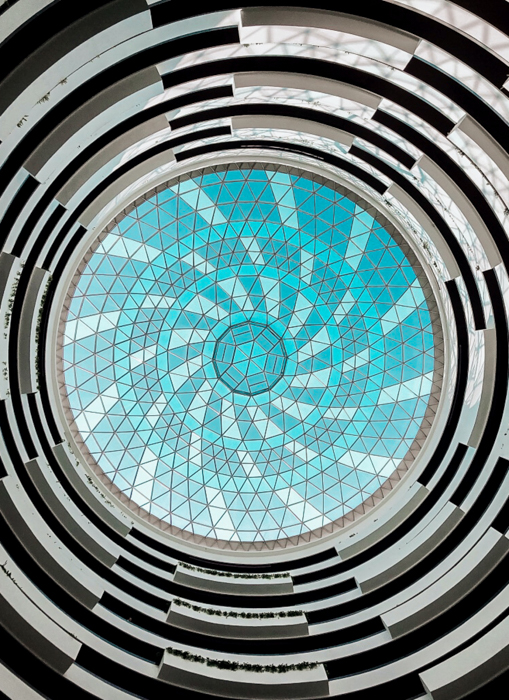
From that point on, just about everything that appears on the page does so by revolving around the center or radiating from it, like ripples in a pond. Meet “TypeScript in 50 Lessons”, our shiny new guide to TypeScript. With detailed code walkthroughs, hands-on examples and common gotchas. For developers who know enough JavaScript to be dangerous. If the designer wants you to focus on something specific, like a brand name, discordant design can do the trick.
How to Achieve Balance in Design: A Designer’s Perspective
Our eyes naturally seek out order and a sense of stability in any image that we see. This is also the psychological reason behind why people are more attracted to faces and objects that are symmetrical. A balanced composition is simply more pleasing to the eye, and depending on what type of balance you choose, can create a feeling of order. Paired with a clear visual hierarchy, balance makes a design digestible at a glance. With this type of balance, the visual elements on either side of a composition aren’t mirror images of each other.
Notice how both arrows use colors that contrast with their background, further increasing the attraction of these elements. Mosaic balance (or crystallographic balance) results from balanced chaos. The composition lacks distinct focal points, and the elements share a uniform emphasis. The lack of hierarchy leads to visual noise at first glance. The downside of symmetrical balance is that it’s static and sometimes regarded as boring. Because half of the composition mirrors the other half, at least half of the composition will be rather predictable.
And also the different types of visual balance you can use in your design. That would be a great place to start if you want to get to the basics. Most would agree that the second image is more preferable than the first because our brains desire balance over tension.
This website is using a security service to protect itself from online attacks. The action you just performed triggered the security solution. There are several actions that could trigger this block including submitting a certain word or phrase, a SQL command or malformed data.
New Balance 990v6 “Pink Haze” sneakers: Where to get, release date, price, and more details explored - Sportskeeda
New Balance 990v6 “Pink Haze” sneakers: Where to get, release date, price, and more details explored.
Posted: Tue, 28 Nov 2023 08:00:00 GMT [source]
Both sides of the composition carry the same visual rate. A similar concept applies for your designs because it’s human nature for people to like some type of balance for the stability and structure it provides. If you place a dark color next to a light color, the dark element would naturally feel heavier in the design. Asymmetrically balanced pages can be more challenging to design - as they don't have elements matched across the centerline of the design.
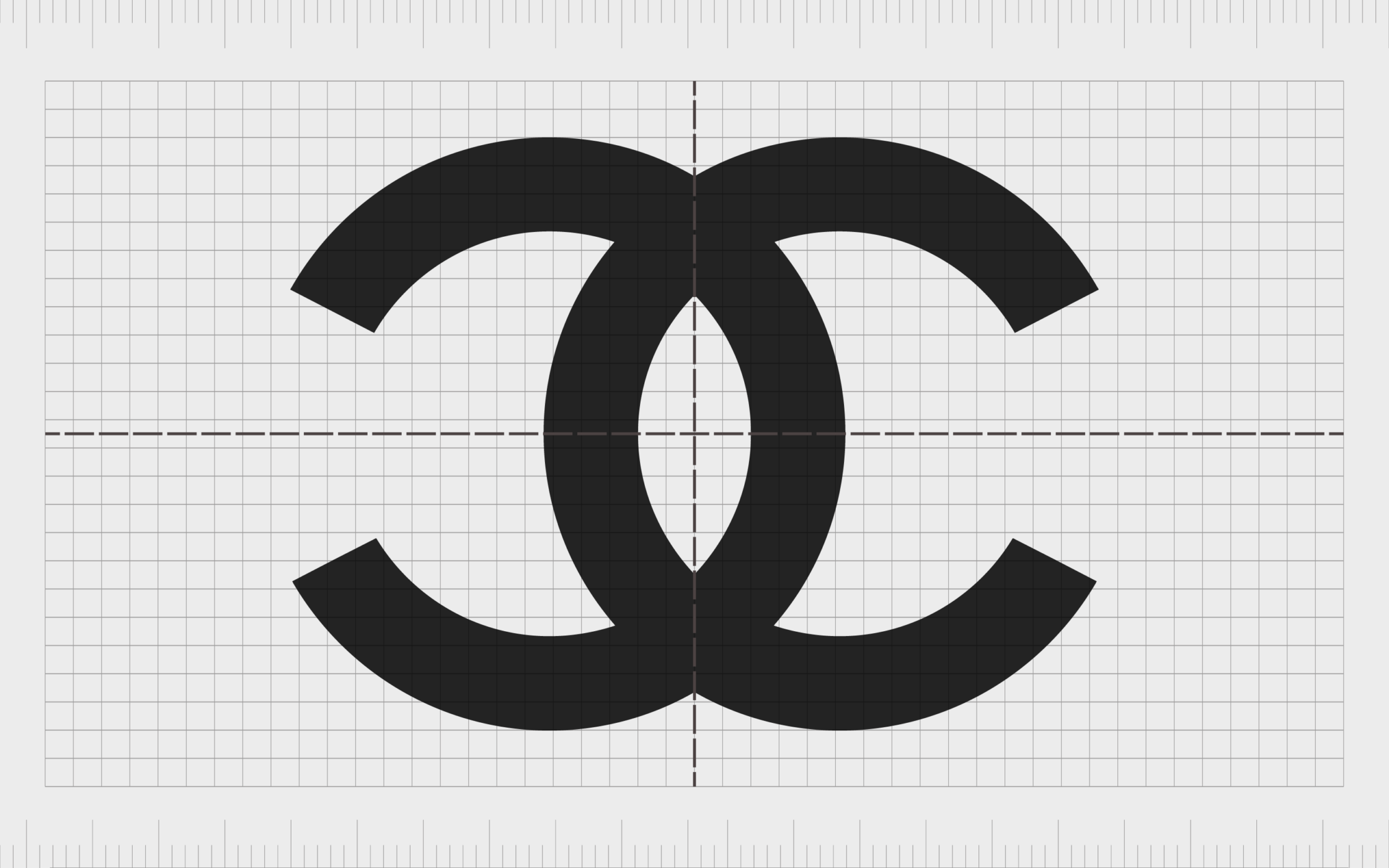
It is also a great example of symmetrical balance, making this ad simple yet impactful. The Chanel logo seems plain and simple, yet it has balance, repetition, unity, and exquisite beauty. The logo has overlapping letters C to signify the initials of the logo designer herself, Coco Chanel.
Balance in design covers how elements are weighted against each other on different sides of a design to create cohesiveness, completion, and satisfaction. Your composition should be balanced vertically, horizontally, diagonally, or background versus foreground. First, the levels in a design may be balanced; second, the data may be distributed in a balanced way. When a design is balanced, each column of the design array has the same number of each of the levels of that parameter. When the data is balanced, the data points are distributed over the experimental region so that they have an equal contribution to the parameter estimates. Although many designs satisfy both criteria, some, such as Central Composite designs, forego design balance in favor of data balance.
It’s hard to imagine any design element on the page throwing either out of balance. It’s counterbalanced by text and the circular logo in the upper left. Both provide a relatively equal amount of visual weight acting on the grid in opposite directions. Both symmetry and asymmetry can be used throughout a composition, independent of, yet while contributing to, the final balance. You can have symmetrical forms in an asymmetrically balanced composition and vice versa. Sometimes, balance can be achieved by using directed visual cues to help the viewers find the focal elements.
Great examples of asymmetrical designs are those we see that have a massive object on one side with smaller text on the other. The Home Sociētē Website on this list perfectly illustrates an asymmetrical balance in design. You can have balance in design by using colors, as can be seen in this Evian print ad. Not only is this an excellent example of a symmetrically balanced design, but it is also a good representation of having balance by color.